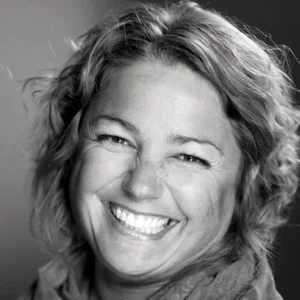
Uncovering The Soul, An Interview with Kazuhiro Miyagawa, @Cor_aze
Kazuhiro Miyagawa, aka @cor_aze, brings a striking and powerful visual story to TORN, one of our current international exhibitions juried by legendary designer and artist David Carson.
At this moment we are witnessing collage experiencing a renewed cultural boom—appearing across contemporary art, editorial design and into mainstream digital culture. The medium’s ability to layer and recontextualize images feels particularly relevant. Miyagawa’s work embraces that spirit, moving fluidly between analog and digital processes and creating compelling compositions. Faces, fragments, color and found imagery collide. His work reflects the very qualities we were looking for in TORN: experimentation, risk, layered visual storytelling and a willingness to push beyond conventional composition.
Juniper Rag presented Miyagawa with eight questions, exploring his thoughts and process behind his art, his fascination with portraiture, the combination of analog collage and digital work, and also the influences of his background in filmmaking.
What emerges here is a fascinating look at an artist who understands collage not simply as a technique, but as a way of truly seeing, breaking images into parts and realigning them into something unexpected, visceral and entirely new for us to take in and explore. Each piece is a little trip, an adventure into @cor_aze territory.
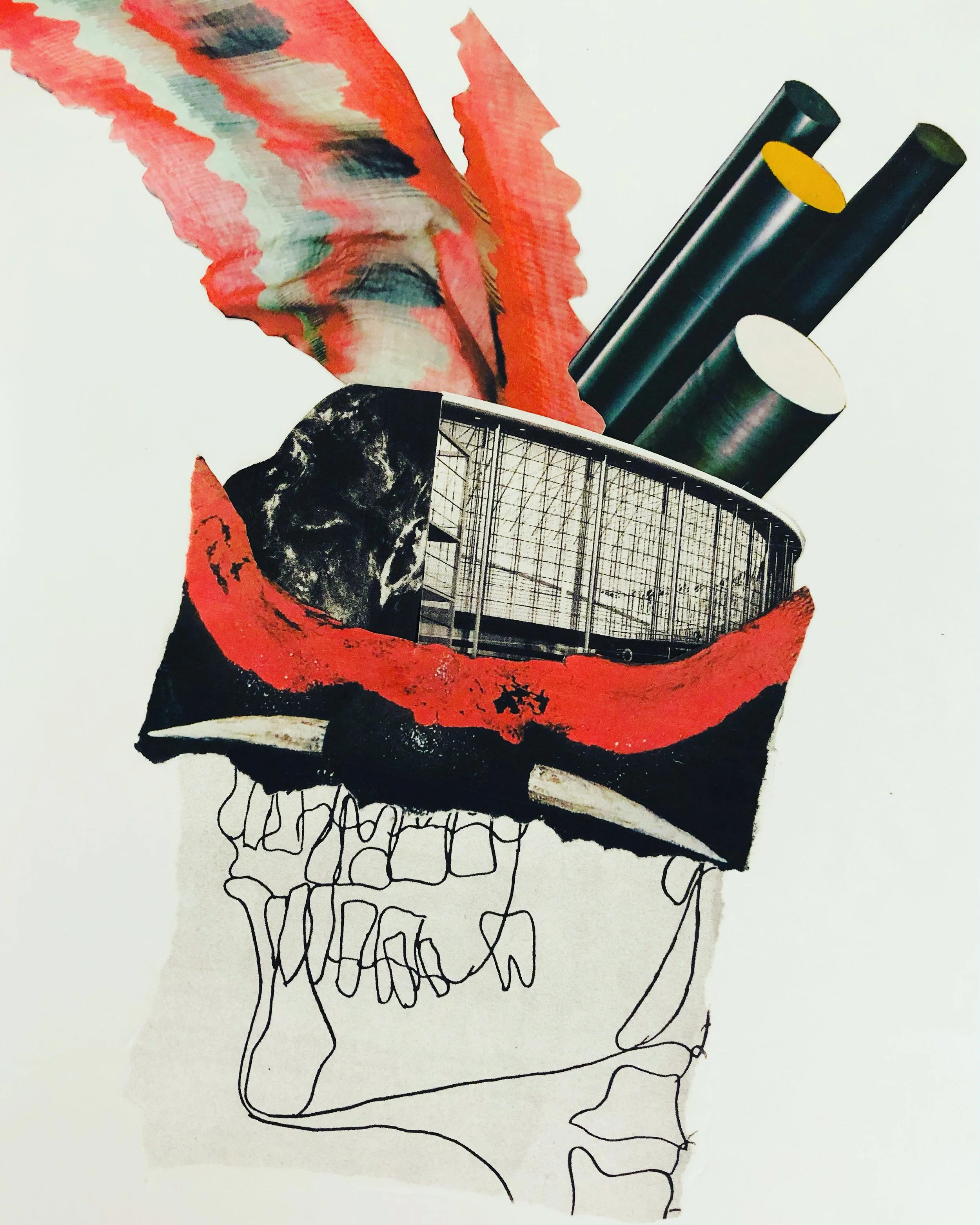
1. From Analog to Digital: A New Kind of Collage
Actually, I don’t really feel that I ever “moved” from analog to digital. I still work with both, moving back and forth between the two as I create.
I don’t have any strict rules about which one to use. I think about what each piece needs. Sometimes I work entirely by hand, sometimes I manipulate things digitally, and often I combine the two.
Digital tools give me the freedom to experiment endlessly, while analog collage offers a kind of chance that can only happen when you physically cut, move, and layer pieces of paper.
For me, it has never really been about choosing one over the other. I’m interested in what each can bring to the work, and in the possibilities that emerge when the two meet.

2. The Influence of Film
I think my experience making films still has a strong influence on the work I make today.
But it isn’t only about technical things like composition or framing. I have this feeling that I don’t want a still image to remain simply a still image. Sometimes I want it to suggest that something happened before it, and that something might happen afterward—as if the image were a single frame taken from a larger film.
The way I choose music when I post my work on Instagram may also come from my background in filmmaking. I think carefully about the relationship between image and sound.
When the two come together, I hope a single image can begin to suggest a world beyond itself.
One of the 36 international stars of TORN…

3. TORN and David Carson
When I was choosing a work to submit for the theme “TORN,” I actually tried not to interpret the word torn too literally.
I felt that if I focused too much on the theme, I might end up making or choosing something that stayed within the obvious associations of the word. Instead, I wanted to select something from my existing work that resonated with the theme naturally.
And of course, having my work selected by David Carson made me incredibly happy. He is one of the world’s most influential designers, and someone whose work I had known for a long time.
To know that he had seen my work and that something in it had resonated with him—that alone was a significant moment for me.

4. My Fascination with Faces
When I think about why I became so drawn to faces, I suspect one starting point may have been my own insecurity about my appearance.
A face is one of the strongest expressions of a person’s identity. At the same time, simply by looking at someone’s face, we unconsciously begin to construct an idea of who that person is.
But the impression created by a face does not necessarily correspond to what exists inside that person—their thoughts, emotions, or inner life.
Perhaps by cutting, hiding, repeating, and reconstructing faces, I am trying to break apart, even temporarily, the sense of identity that a face automatically creates.
I’m interested in what remains after that surface image has been disrupted—something human that survives underneath it, perhaps even something like the soul.

5. What Lies Beneath the Surface
I don’t always give the fragmented faces in my work a specific psychological or symbolic meaning.
For me, the process is much more intuitive. I break apart and reconstruct a face, and then I pay attention to what I feel when I look at the face that has emerged.
At the same time, no matter how much I distort or destroy a face, I don’t want the result to leave me with nothing but a feeling of rejection.
The face may be strange, imperfect, or impossible in reality, and yet somehow I can still feel an attachment to it. Or perhaps I can still sense something human within it. Maybe, without consciously realizing it, that is what I am searching for.
I’m not sure whether memory or identity are the right words to explain it. But I do think I have always been interested in the distance between our outward appearance and what exists inside us.

6. Choosing Materials
I’m always struggling with what materials to choose. (laughs)
I rarely begin with a clear idea such as, “If I combine this photograph with this texture, it will create this particular meaning.”
Instead, I place things together and layer them. If something doesn’t work, I remove it. I try something else, and if it feels right, I let it remain.
Often, I can’t even explain in words why one combination works and another doesn’t.
Rather than beginning with a meaning and then choosing materials to express it, I’m interested in what happens during the process of bringing those materials together. Sometimes an image appears that I could never have anticipated.
For me, that moment of discovery is one of the most exciting things about collage.
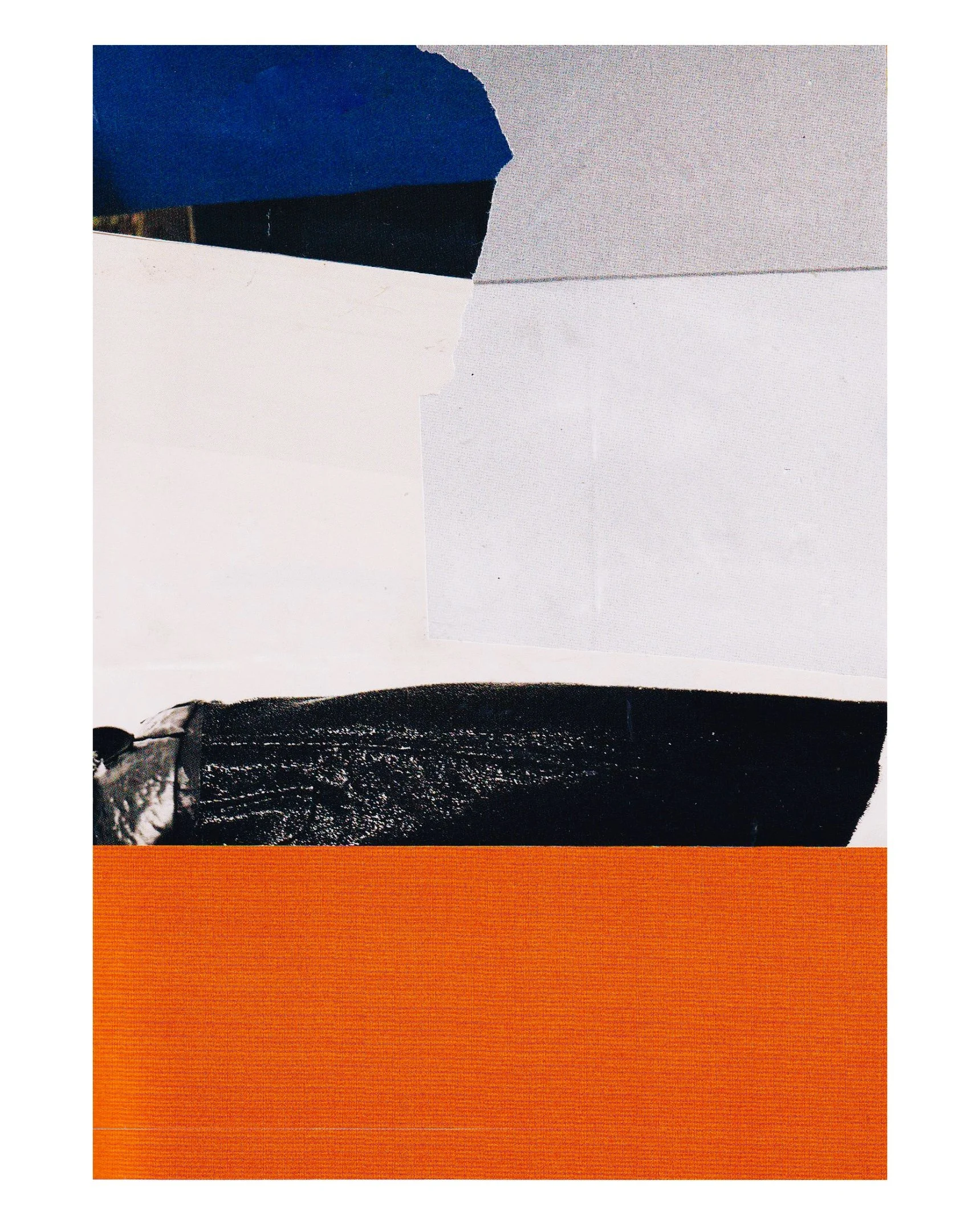
7. Color, Mood, and Monochrome
I don’t have strict rules about color either.
Rather than thinking, “This work has this emotion, so I should use this color,” I look at the piece and intuitively decide whether it feels stronger in color or in black and white.
Sometimes I begin a work in color and change it to monochrome halfway through.
There are moments when removing the color suddenly makes an image much more powerful. And there are other works that only seem to come alive because of their color.
In the end, my decision is actually very simple. I look at the work and choose whichever version makes me think, “This is better. This feels right.”

8. The Beauty of Fragmentation
I don’t necessarily want people who see my work to search for what is missing, and I don’t expect them to discover any particular meaning.
I’m actually more interested in that first, immediate reaction.
“What is this face?”
If someone thinks that and stops in front of the work, even for a moment, I’m happy.
Perhaps this hasn’t changed very much since the time when I was making films. Even then, I was interested in surprising the audience or giving them a feeling they hadn’t expected.
For me, it is less important that someone completely understands the work than that they feel something first.
It might be surprise, discomfort, curiosity, or amusement. Any of those reactions are enough. If something in the work becomes a starting point for that person’s own imagination, that is more than enough for me.
One of the reasons we chose collage as subject matter for this exhibition and David Carson as guest juror is that collage has the ability to reveal so much more beneath the surface. To dismantle the familiar just enough that we begin to see the imagined soul of an image, and perhaps a little of our own. Kazuhiro Miyagawa’s work invites us into that space between recognition and discovery. His fragmented faces and layered compositions don’t tell us exactly what to see; they leave room for us to feel, question and imagine. As Miyagawa says, the response might be “surprise, discomfort, curiosity, or amusement.” I think that openness is where powerful art begins. A work doesn’t need to give us an answer—it simply needs to spark something. If one fragment, one face, one unexpected collision of images becomes a starting point for someone’s own imagination, then the work has already done something meaningful. For me, that is the enduring power of collage: it breaks the image apart so we can see something deeper within it—and perhaps something deeper within ourselves.