 Image 1 of 2
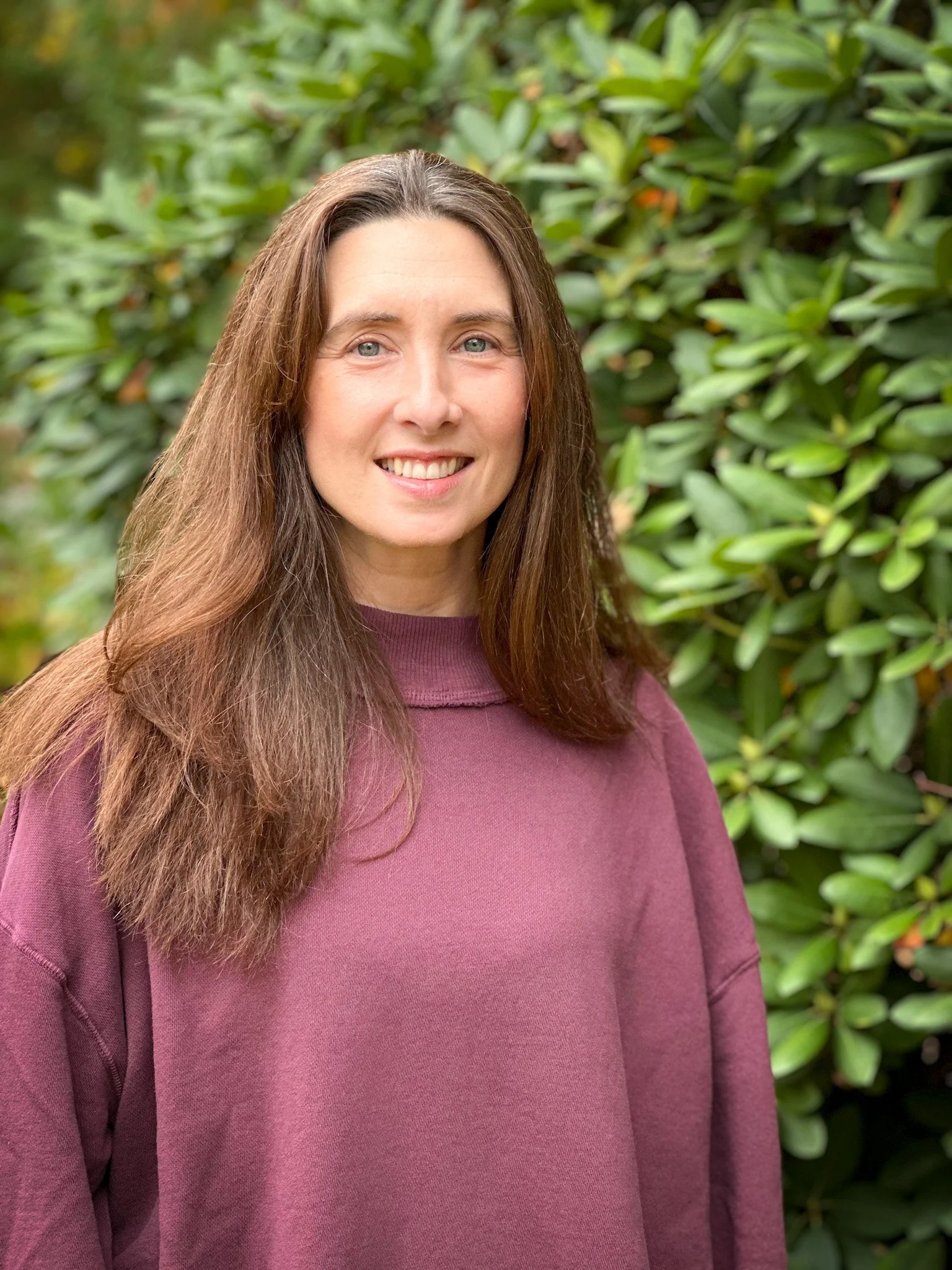 Image 2 of 2
Karen Dubrovsky | Lexington, Massachusetts
ARTIST STATEMENT & BIO
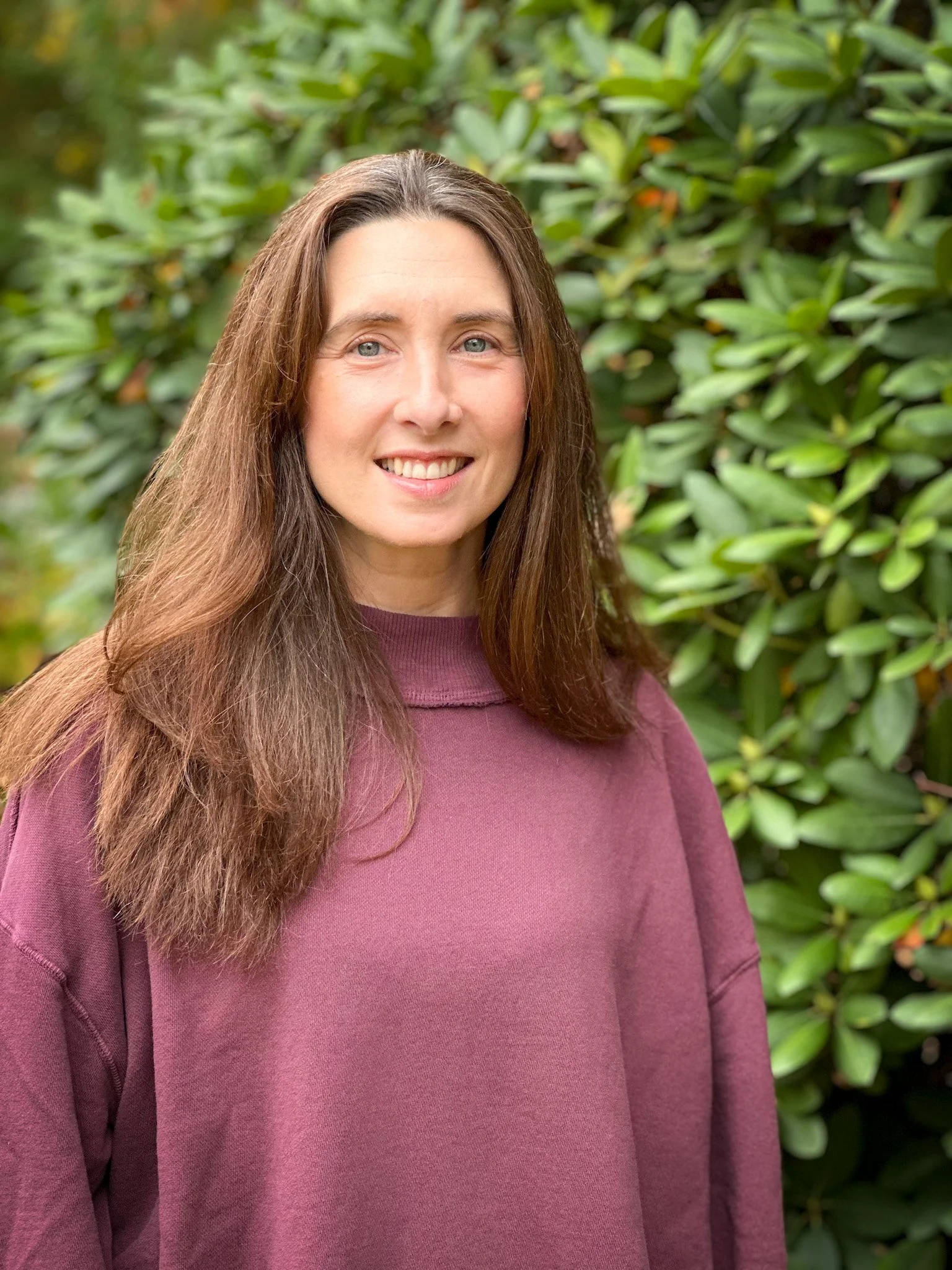
Karen Dubrovsky is a Massachusetts based printmaker whose work explores pattern, memory, and domestic life. She earned her undergraduate degree in architecture from Rensselaer Polytechnic Institute and was a practicing architect for over 20 years before returning to school for an MFA in printmaking at the Massachusetts College of Art and Design (expected 2027). Her architectural background shapes how she builds an image, in frameworks and layers, thinking through how things are put together step by step.
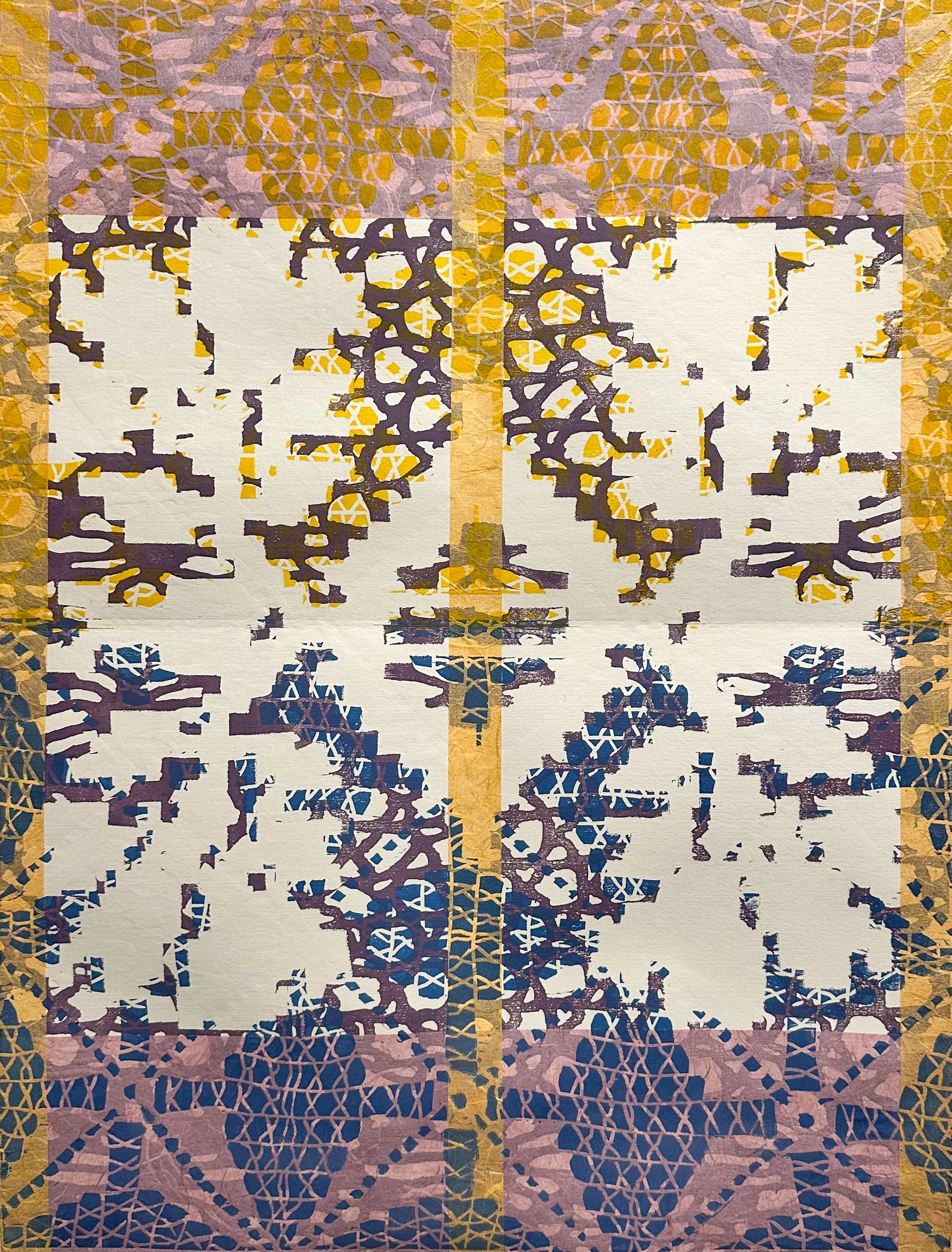
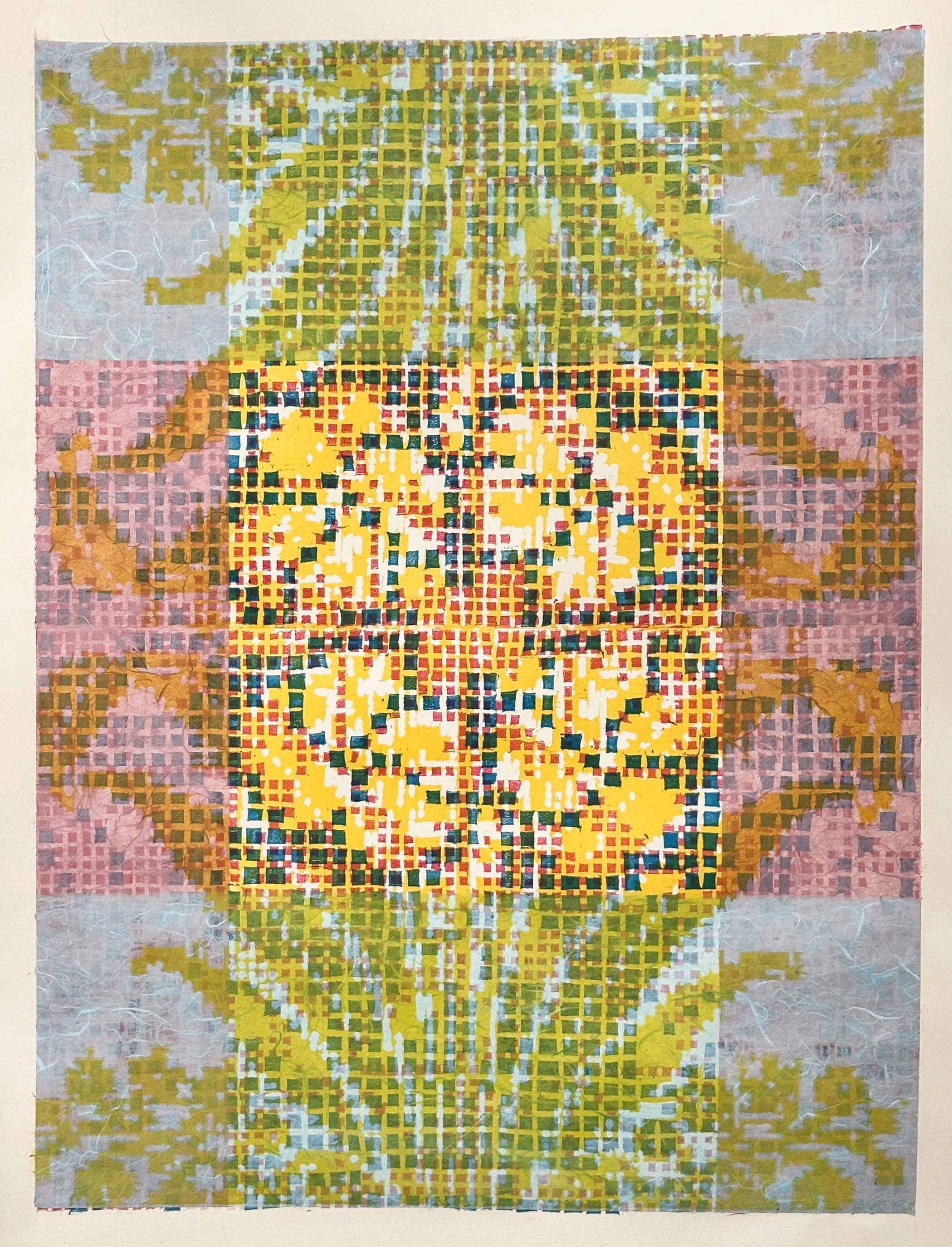
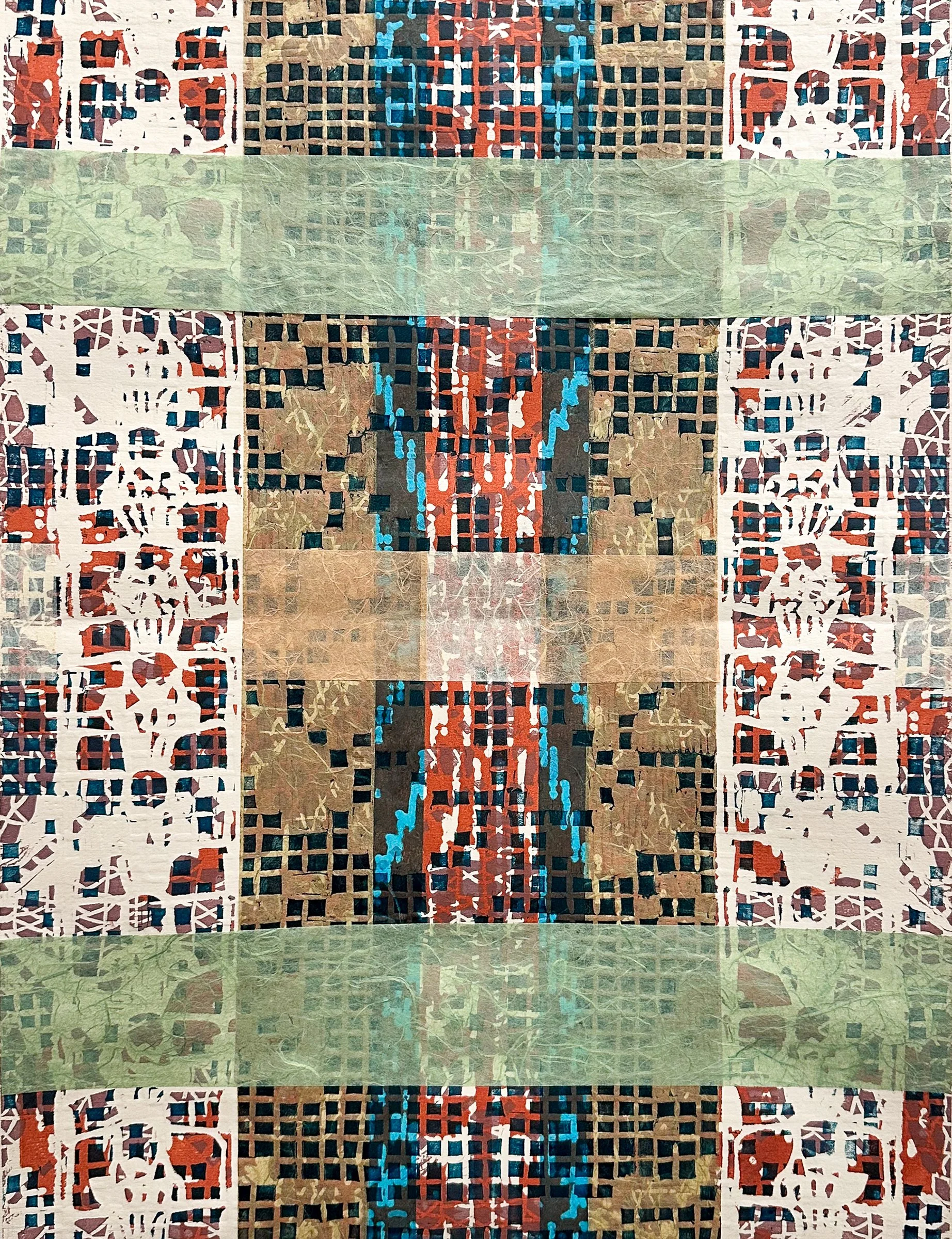
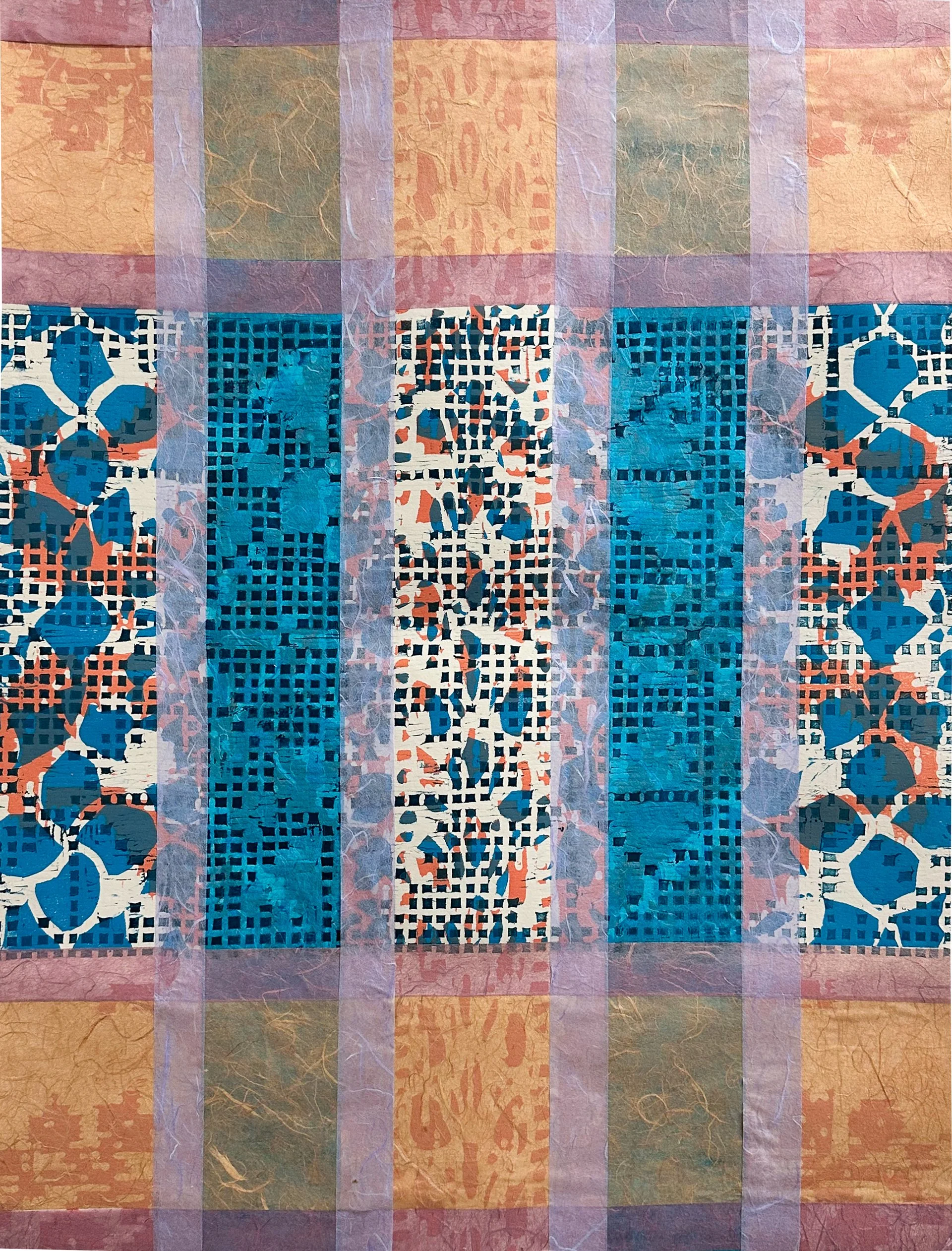
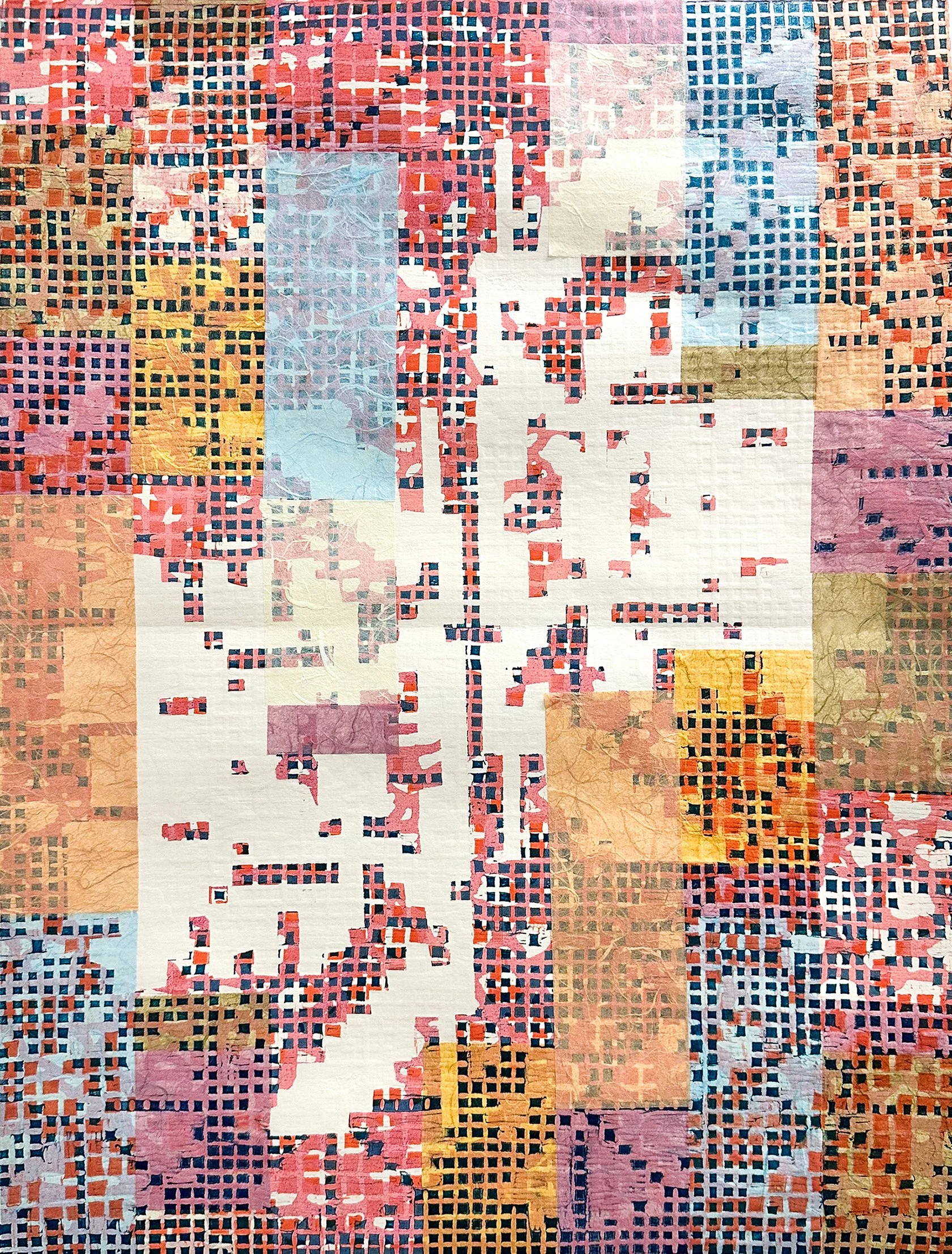
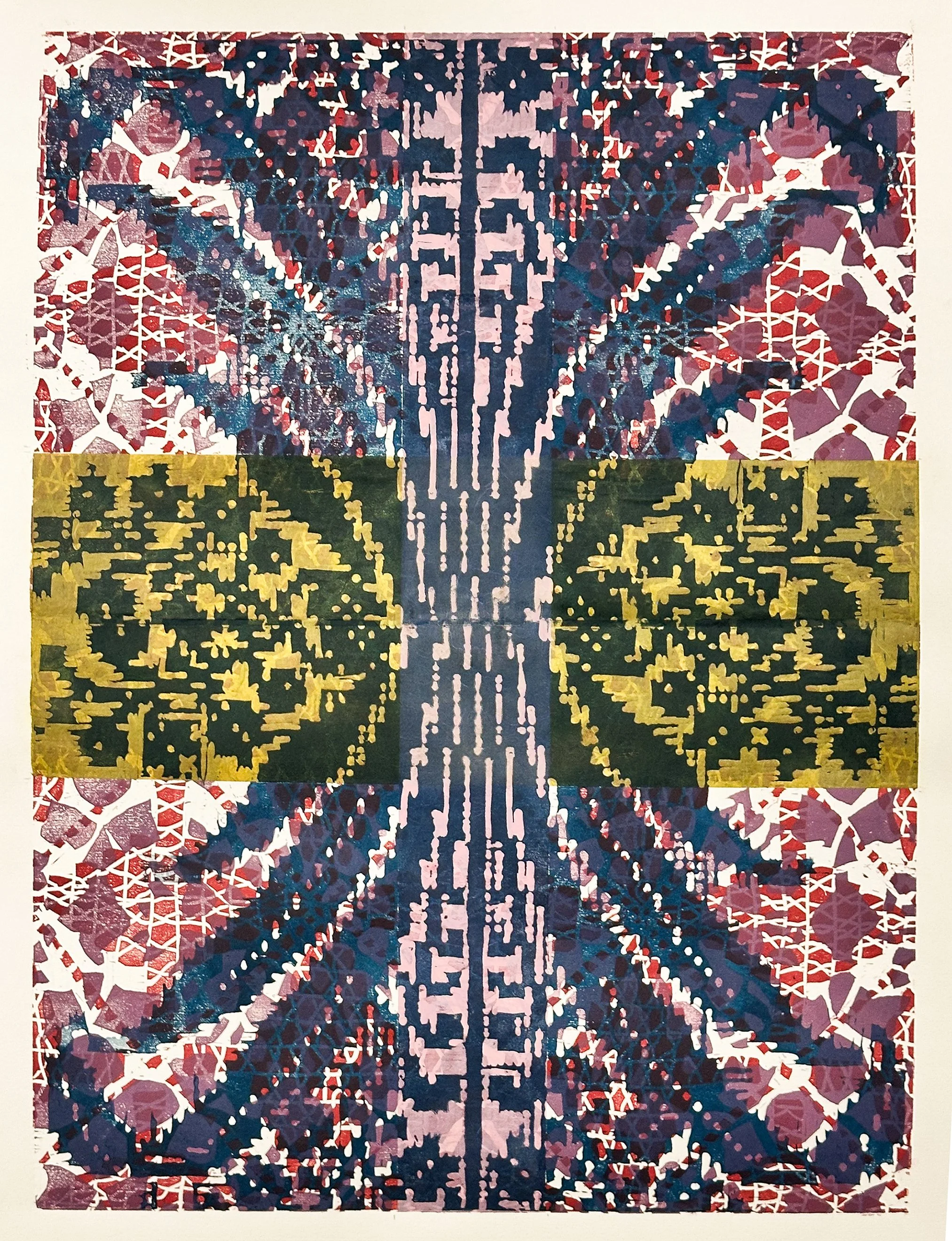
Her imagery draws on the visual language of historical textiles, vintage needlework, and floral motifs from mid-century domestic craft. She works in screenprint monotype, woodcut, and etching, often building an image from multiple plates and repeated matrices. Screenprint monotypes give her a painterly approach, while woodcuts give her a measured, repeatable matrix for building patterns. Her current series of woodcuts with chine collé builds plaid structures from repeated carved blocks, layering color and pattern until the grid begins to behave like cloth.
Her work has been exhibited in juried shows including The Print Continuum at the East End Arts Council in Riverhead, New York, and she received an honorable mention in the Northeast Fine Arts Exhibition at Workshop 13. She teaches printmaking workshops and classes at the Munroe Center for the Arts, Concord Art, and the Weston Art and Innovation Center, and she is a member of the Cambridge Art Association and the Concord Art Association.
My work examines pattern, and what pattern carries. Domestic crafts, like embroidery, are produced by repetition, the same gesture made again and again until it becomes larger than itself. In this, it resembles domestic life, built through repeated acts of care rarely noticed and never finished.
The imagery derives from the materials of home, historical textiles, vintage needlework, and floral motifs of mid-century domestic handwork. They are starting points, familiar structures to pull apart and rebuild. Much of what I make begins with a recognizable image, a flower or a motif with a clear origin. Through layering and shifts in scale, the image sits between representation and abstraction.
My process is tied to my background in design. I think in frameworks and layers, and printmaking gives me that structure through planning and sequencing. Making and thinking are not separate in my practice. Each technique attempted, each failed proof, each unexpected result adds to knowledge embedded in the act of working, as in an experiment, where success and failure are equally instructive. The work comes from making decisions in the process that accumulate into something I cannot entirely predict.
Repetition, in this practice, is a form of attention. Each pass of the block is a small act of care, and the finished print holds the record. To my grandmother and great-grandmother, sewing, quilting, and handwork were essential to daily life, and their craft forms the foundation of my own. Translating their patterns into new blocks and repeated structures, I build images like quilts, structures of memory assembled piece by piece. My work honors the labor of the women before me and creates space for new stories to emerge.