10 Ways to Contribute to a Vibrant Art Community
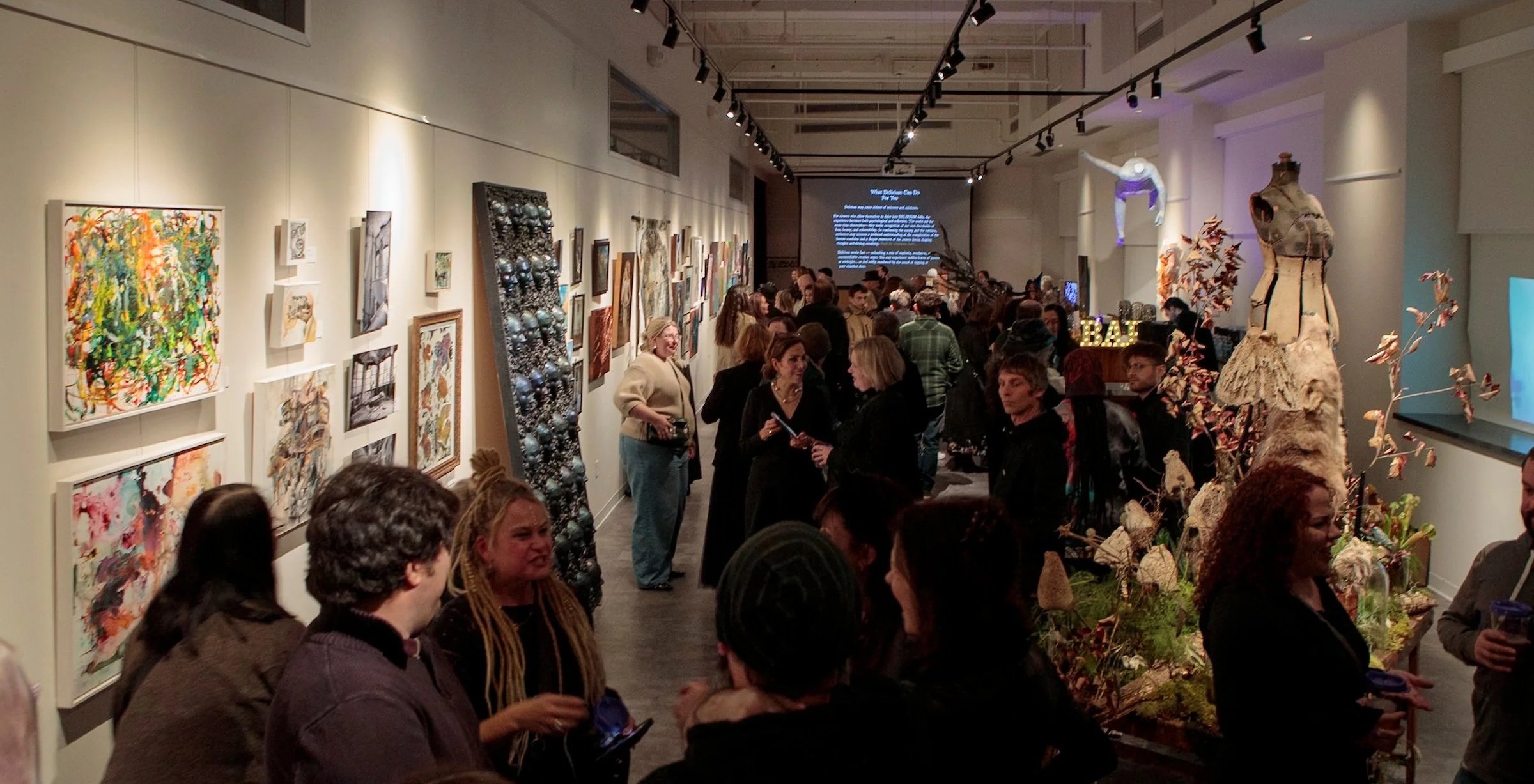
This article focuses. on the Boston/Worcester Arts Sector and is related to a panel discussion that we are contributing to from The Arts & Business Council of Boston.
Several actionable steps that artists in the Boston area (or your community) can take to build meaningful community, expand their networks, and create sustainable opportunities for their creative practice:
1. Show Up Consistently
Community is built through repeated engagement. Attend exhibition openings, artist talks, critique groups, workshops, and networking events—not only when you have work on view, but throughout the year. Familiar faces become trusted connections.
2. Participate Beyond Your Immediate Circle
Seek opportunities with organizations that actively support artists across New England, including Juniper Rag, Arts & Business Council of Greater Boston, Fitchburg Art Museum, Massachusetts College of Art and Design (MassArt), Boston Center for the Arts, and New Art Center. Closer to central Massachusetts you can find Arts Worcester. The strongest creative ecosystems are interconnected, not siloed.
3. Create Opportunities for Others
One of the fastest ways to build community is to become a connector. Introduce artists to curators, recommend peers for exhibitions, share opportunities, and celebrate the successes of others. Generosity often creates reciprocal relationships. This is what Juniper Rag is based upon, learning quickly from events that we hosted, the more you do for others, the more trust you build with fellow community members.
4. Join or Form Critique and Accountability Groups
Regular peer feedback builds trust and professional growth. A small group of dedicated artists meeting monthly can become an invaluable source of support, perspective, and collaboration.
5. Use Digital Platforms Intentionally
Rather than treating social media as a broadcast tool, use it as a relationship-building tool. Comment thoughtfully on artists' work, participate in conversations, attend virtual exhibitions, and follow up with people whose work genuinely interests you.
6. Collaborate Across Disciplines
Boston's creative community extends beyond visual artists. Partner with writers, musicians, designers, photographers, and entrepreneurs. Interdisciplinary collaborations often lead to unexpected audiences and opportunities.
7. Volunteer and Serve
Offer your time to local arts organizations, artist-run initiatives, museums, and community projects. Service creates visibility, trust, and relationships that often develop into lasting professional connections. Keeping the lights on is expensive. Your time and expertise is invaluable to arts organizations. Gallery sitting, cleaning, tech skills…offer what you can and you will be remembered and valued beyond belief.
8. Attend Events Outside Boston
New England's arts ecosystem is regional. Visit exhibitions and events in Worcester, Lowell, Providence, Salem, New Bedford, and the Berkshires. Expanding your geographic network broadens your opportunities and perspective. Get out of Massachusetts and see what is out there.
9. Invest in Long-Term Relationships
Focus less on collecting business cards and more on building authentic connections. Follow up after meetings, stay in touch, support others' exhibitions, and look for ways to contribute value before asking for assistance.
10. Become an Active Participant in the Ecosystem
The most connected artists are rarely passive observers. They exhibit, attend events, organize projects, mentor emerging artists, support institutions, and contribute ideas. Creative communities thrive when artists see themselves as co-builders rather than consumers.
A strong arts community is not created by a single organization or event. It emerges when artists, institutions, galleries, nonprofits, collectors, and advocates actively support one another. The most resilient creative networks are built on participation, generosity, curiosity, and a shared commitment to helping artists succeed together.